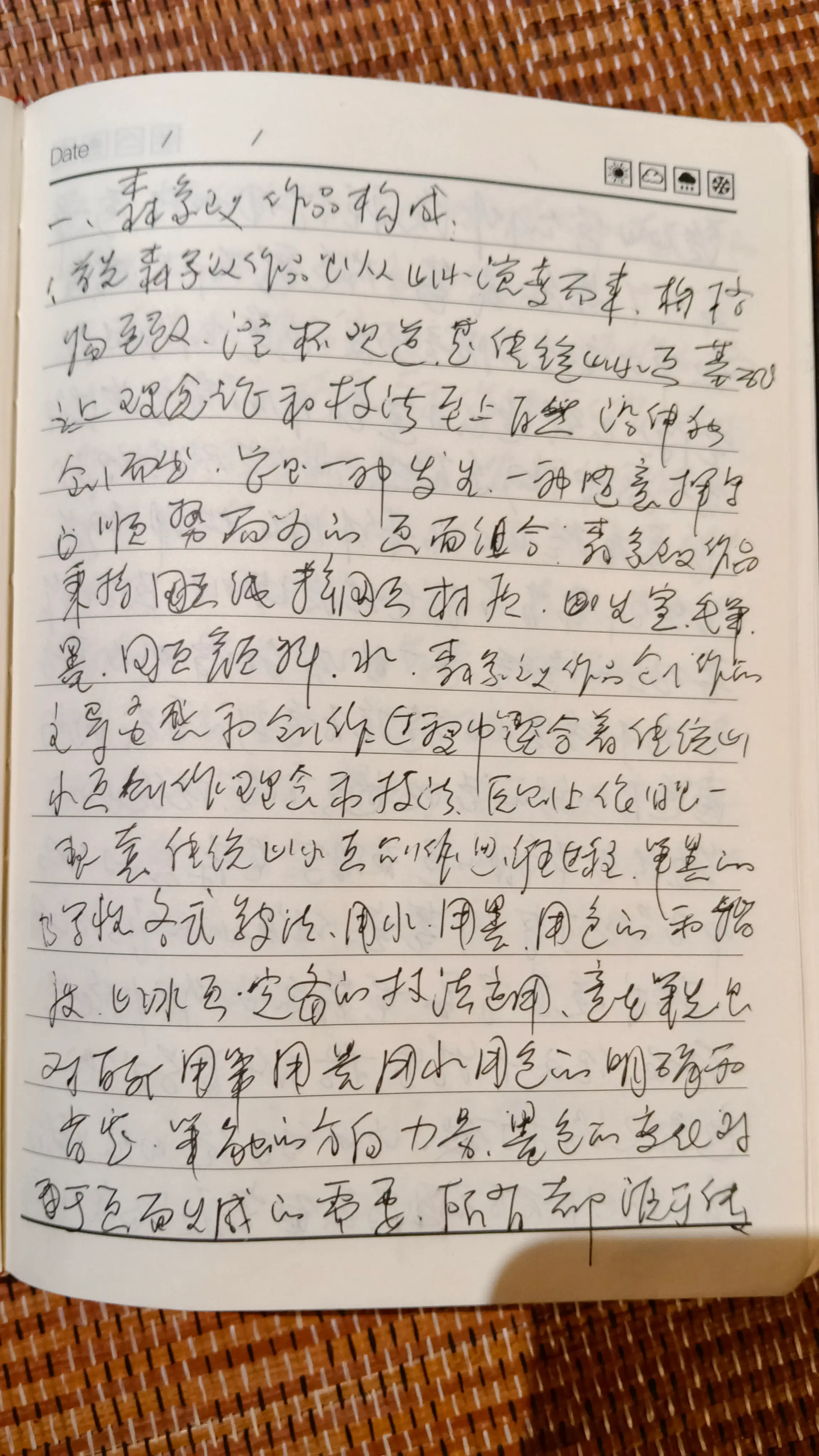
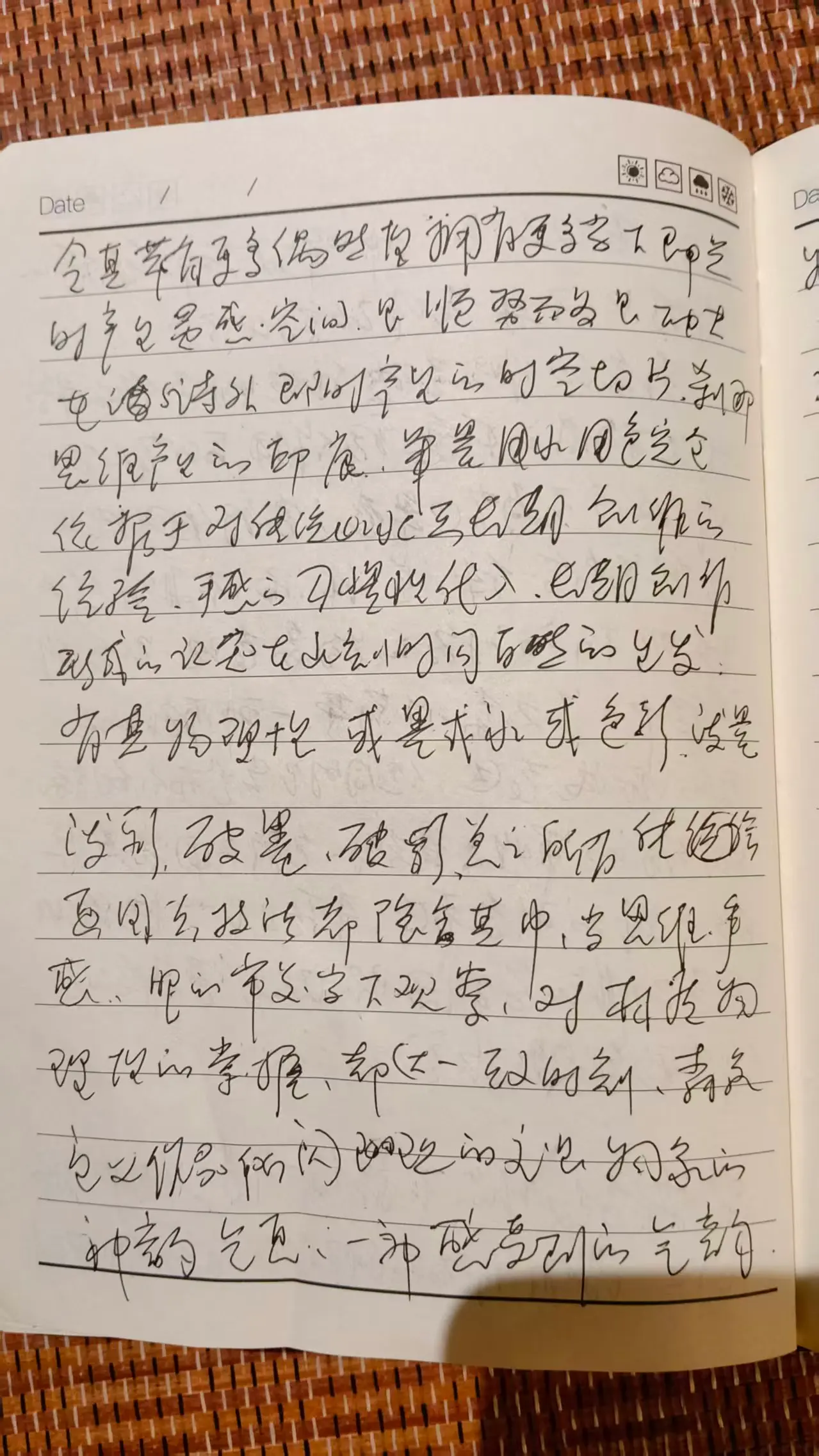
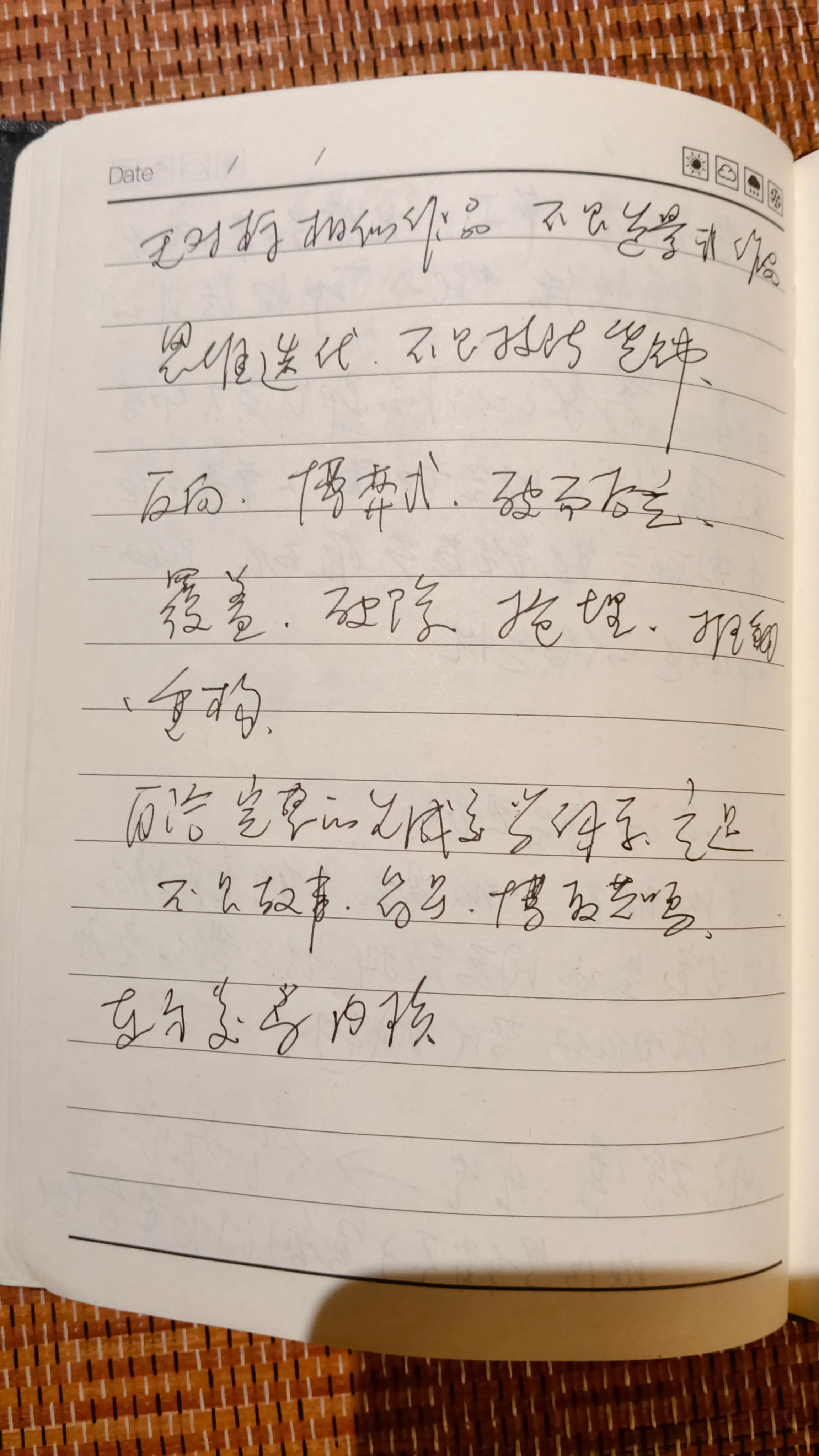
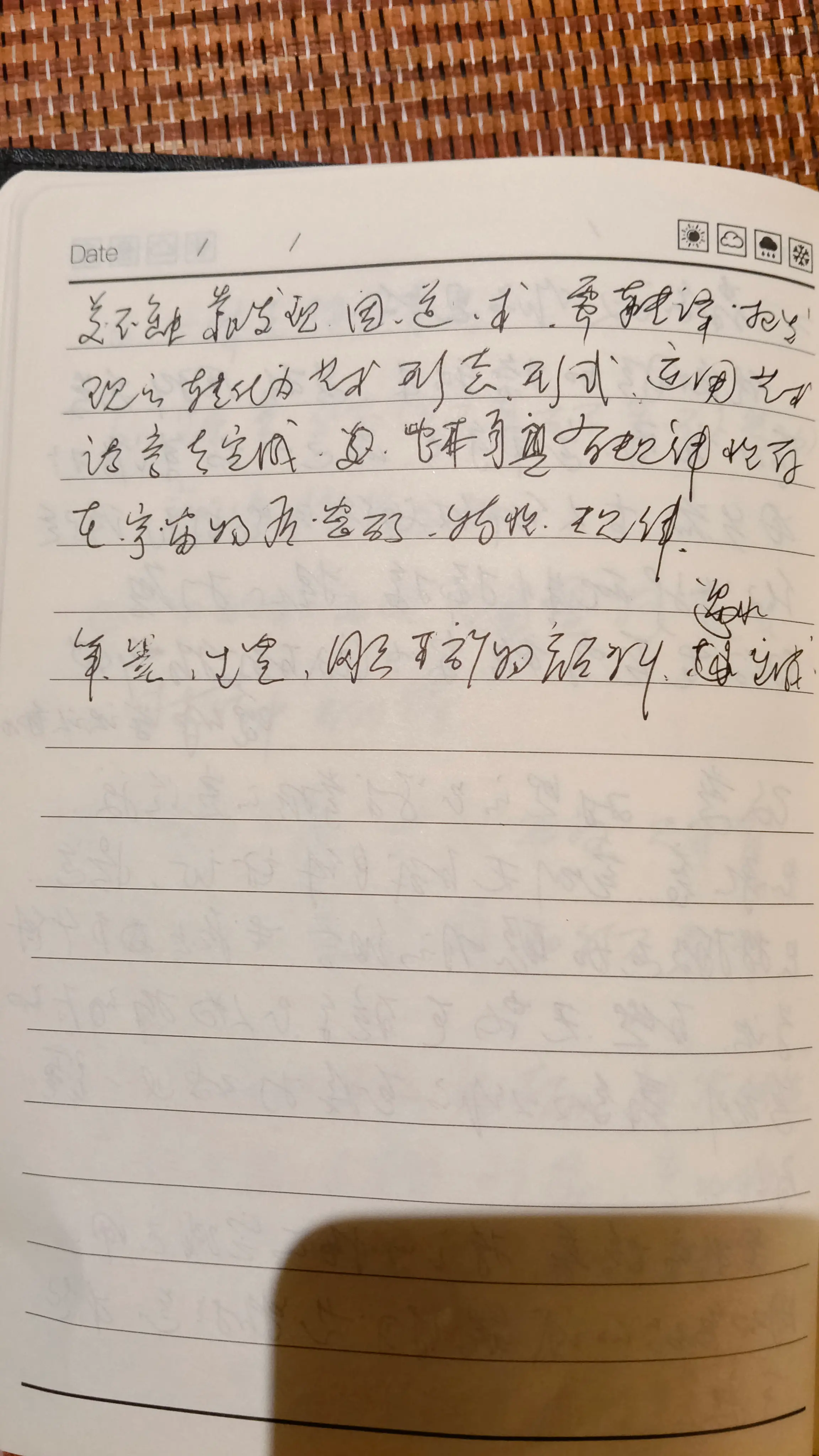
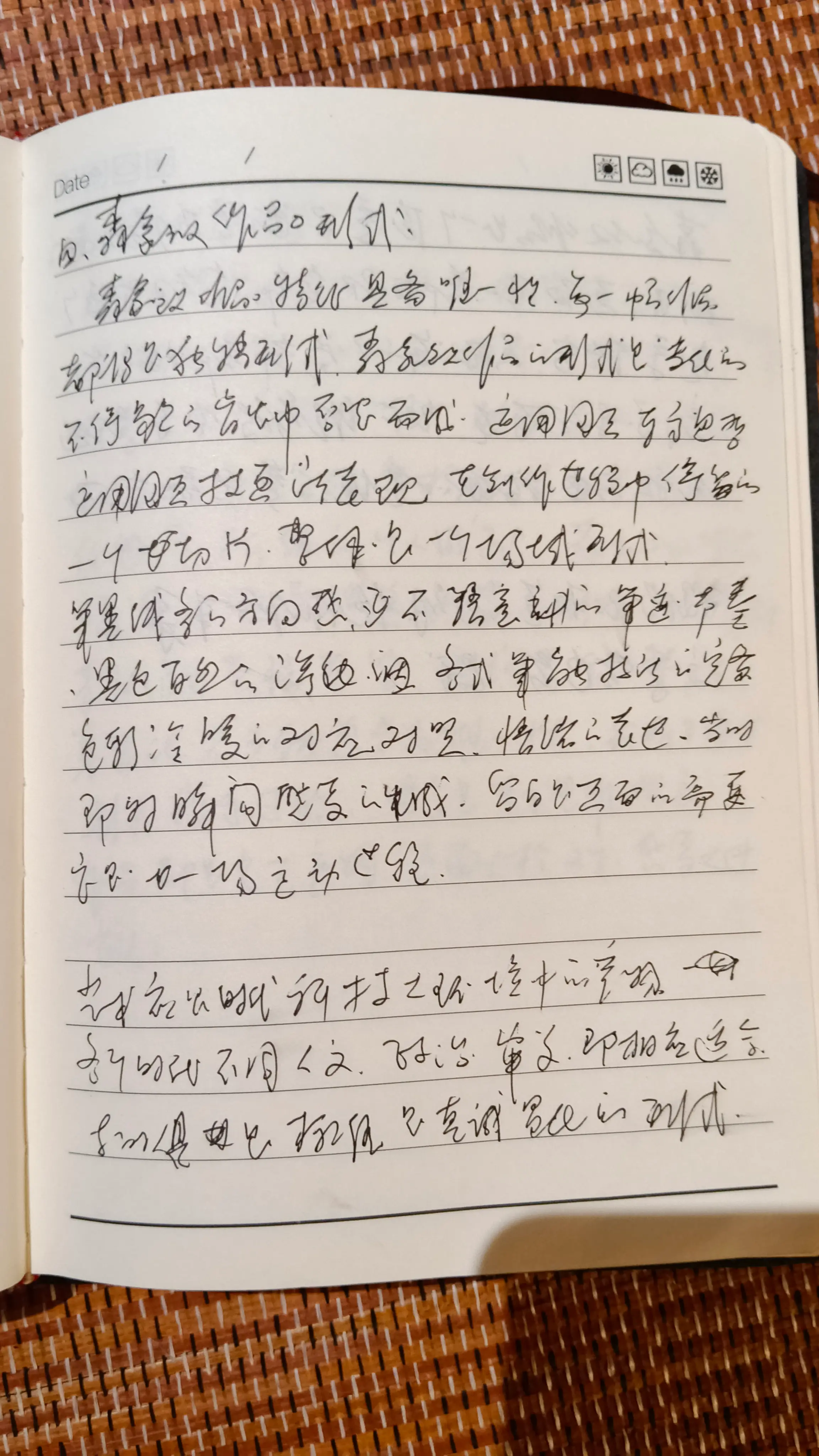
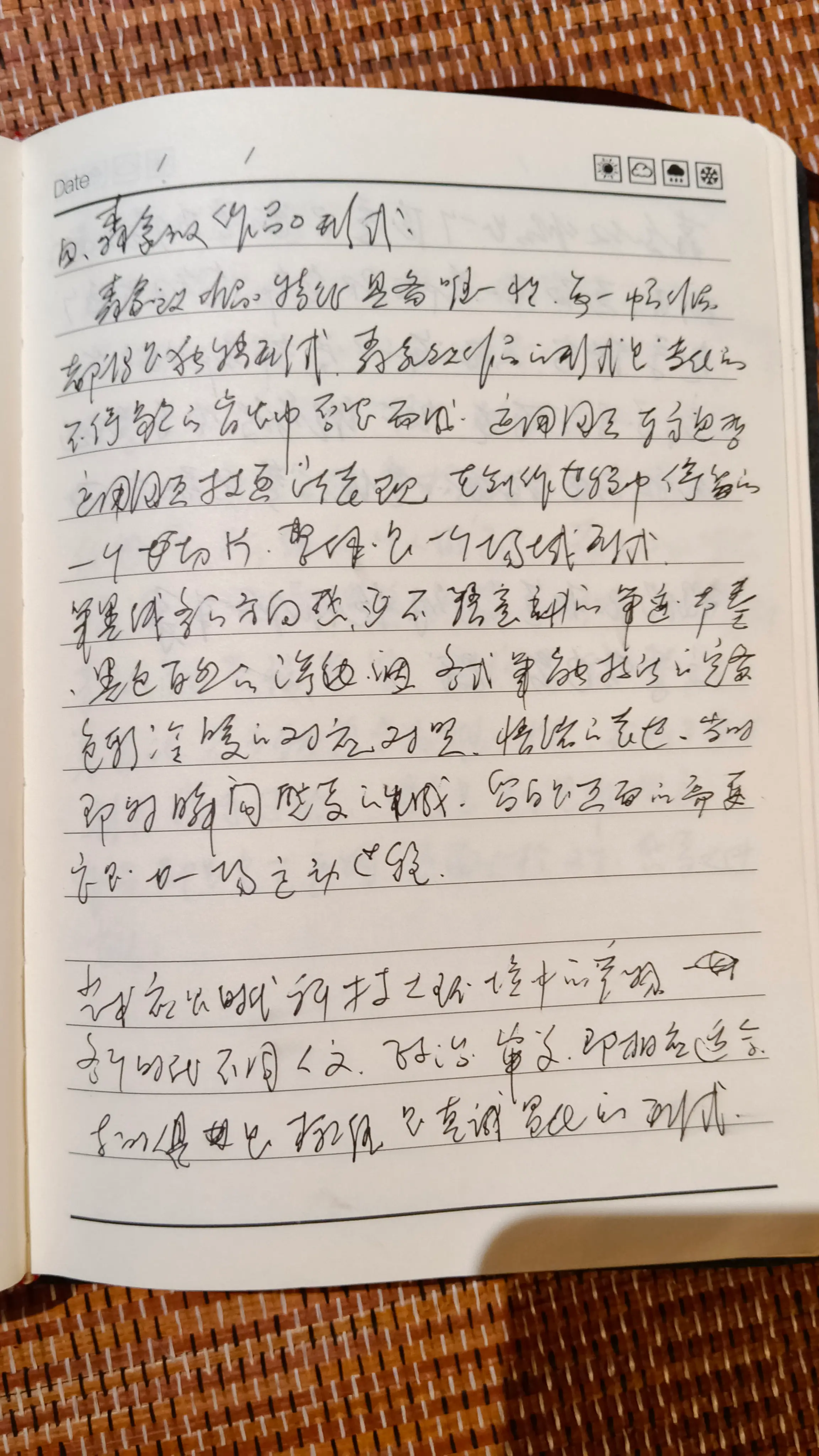
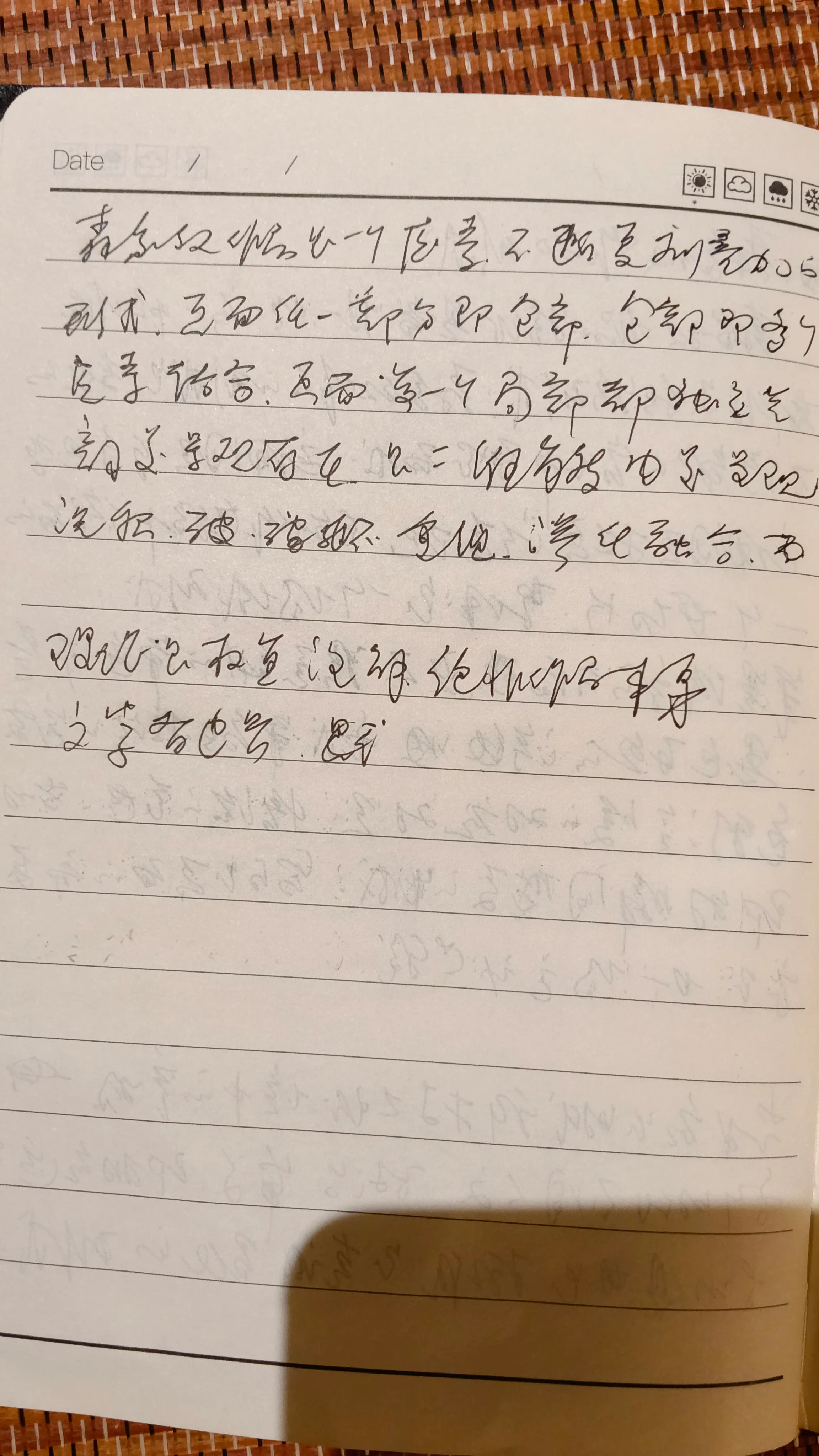
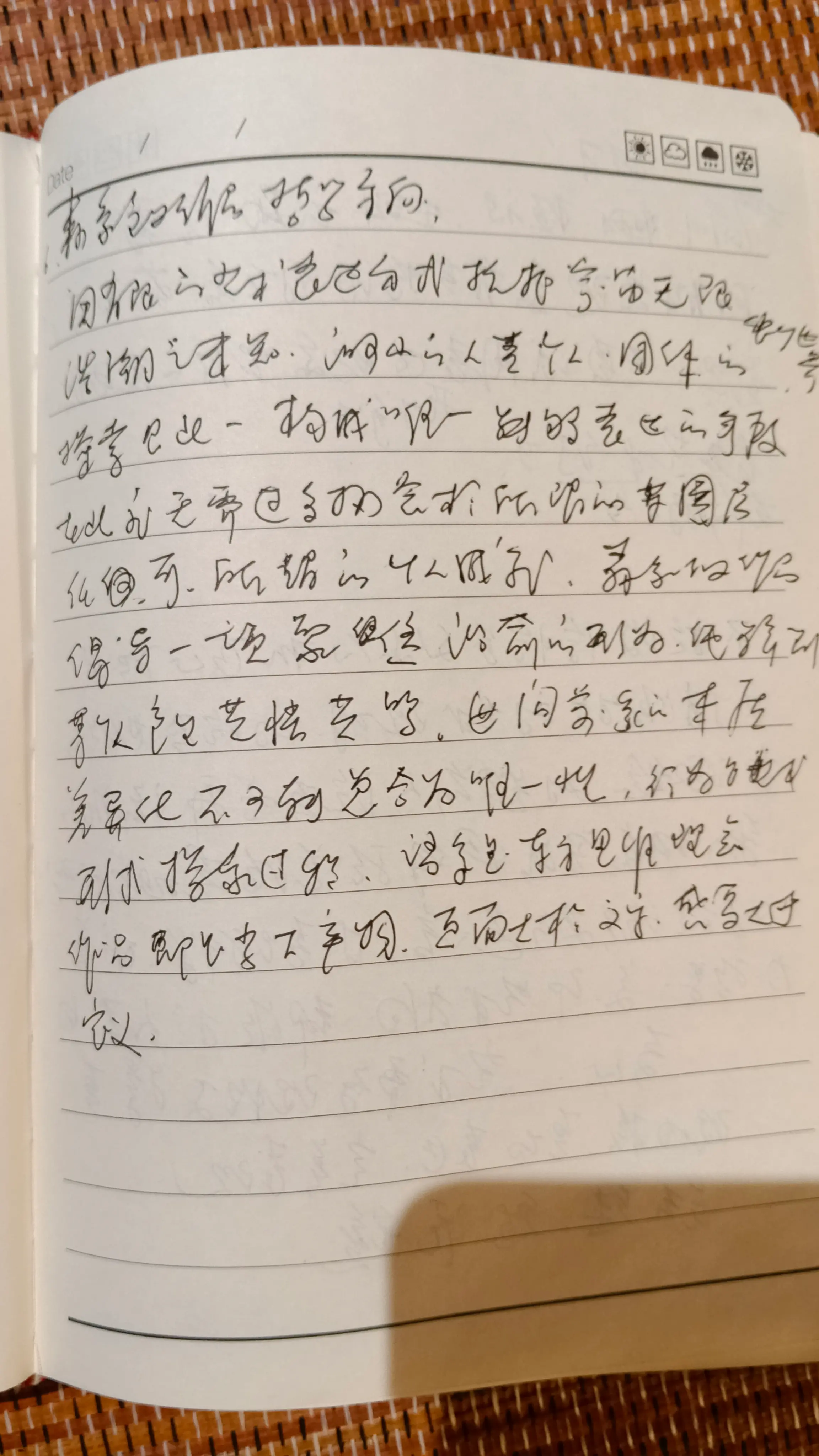
Senxiangist creation does not begin with predetermined objects, fixed compositions, or the established conventions of traditional Chinese painting. It is grounded in years of training in traditional painting, yet no longer confined by inherited aesthetics or established technical frameworks.
Much contemporary painting remains bound to standardized modes of expression, seeking recognition through familiar imagery, predetermined moods, and repeated formulas. Senxiangism steps beyond this singular mode. It sets no theme in advance, arranges no fixed forms, and does not rely on figurative narrative to sustain the image. It is neither purely abstract nor realistic or freehand in the conventional sense.
Throughout the creative process, Senxiangism remains rooted in the original materials of Eastern painting: raw xuan paper, ink, traditional Chinese pigments, and water. Brush and ink are no longer treated as the sole standards of aesthetic judgment; instead, they become instruments through which the image comes into being. Creation unfolds through a continuous tension between self-affirmation and self-negation, advancing layer by layer through acts of disruption, covering, overturning, and reconstruction.
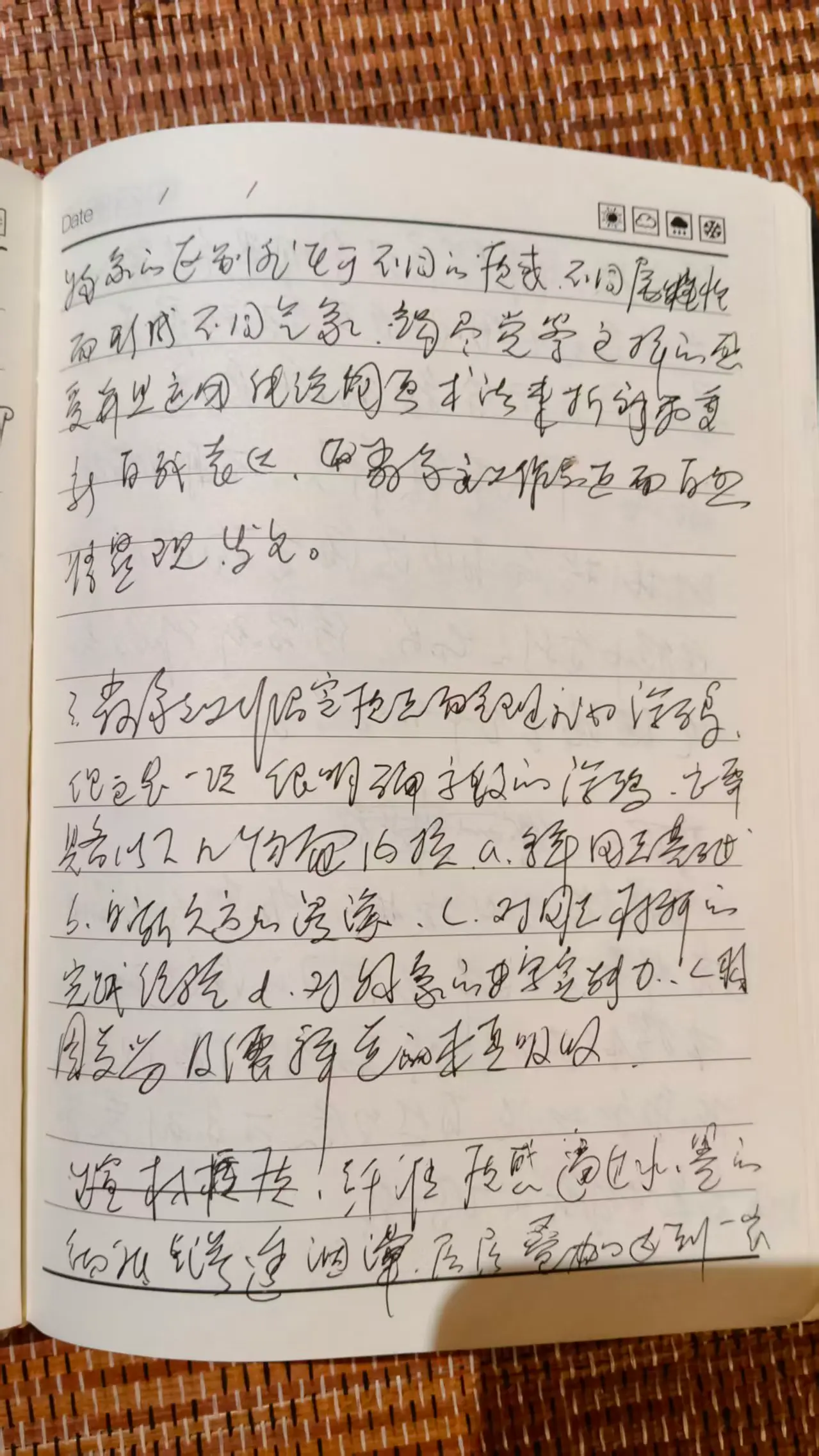
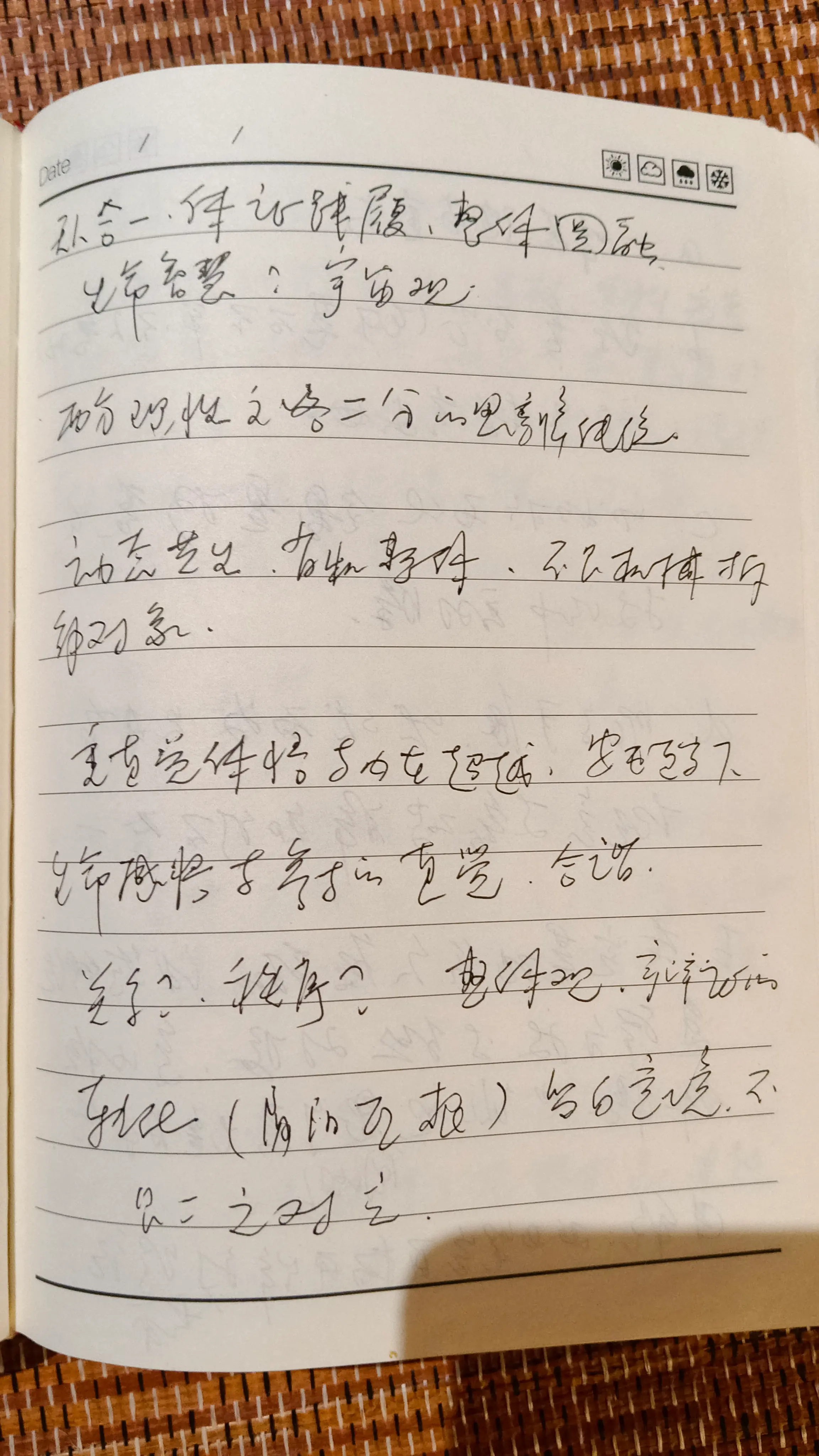
The process relies more upon intuition, lived perception, and the accumulated experience of life than upon rigid rational planning. It seeks an Eastern cosmological vision of wholeness, interdependence, and harmonious coexistence, rather than adopting a Western mode of judgment based on binary opposition. The energy of the image arises dynamically and flows organically throughout the work. Its elements are not mechanically separated or evaluated according to fixed standards. Instead, the painting follows the inner principles of the mutual generation of yin and yang and the spontaneous transformations of nature, moving beyond an aesthetic logic that reduces things to black or white.
At its essence, Senxiangism is the artist’s intuitive expression of the myriad forms of existence and the condition of the universe itself. The emergence, expansion, and combination of everything within the image are condensations of inner feeling and the perception of nature. They arise according to circumstance, without deliberate ornamentation or predetermined results, allowing both the artist’s inner nature and the inherent qualities of the materials to grow freely.
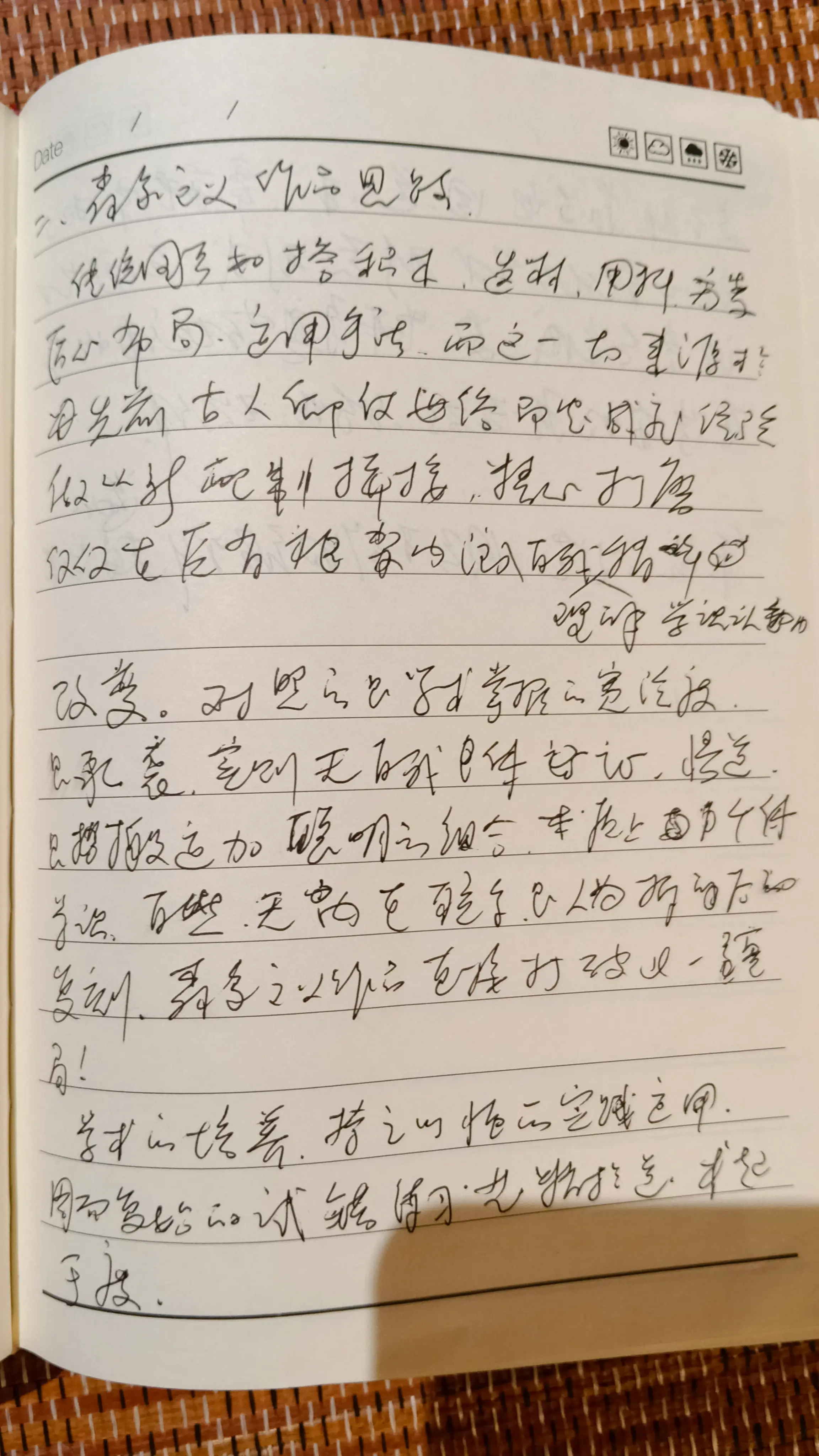
II. The Formation of the Image
A Senxiangist image arises naturally from the flow of consciousness, evolving layer by layer out of a state of chaos and assuming form according to circumstance, without any predetermined trajectory. Its foundations come from years of accumulated techniques and ideas in traditional painting, yet it breaks decisively from the doctrinal constraints of established conventions.
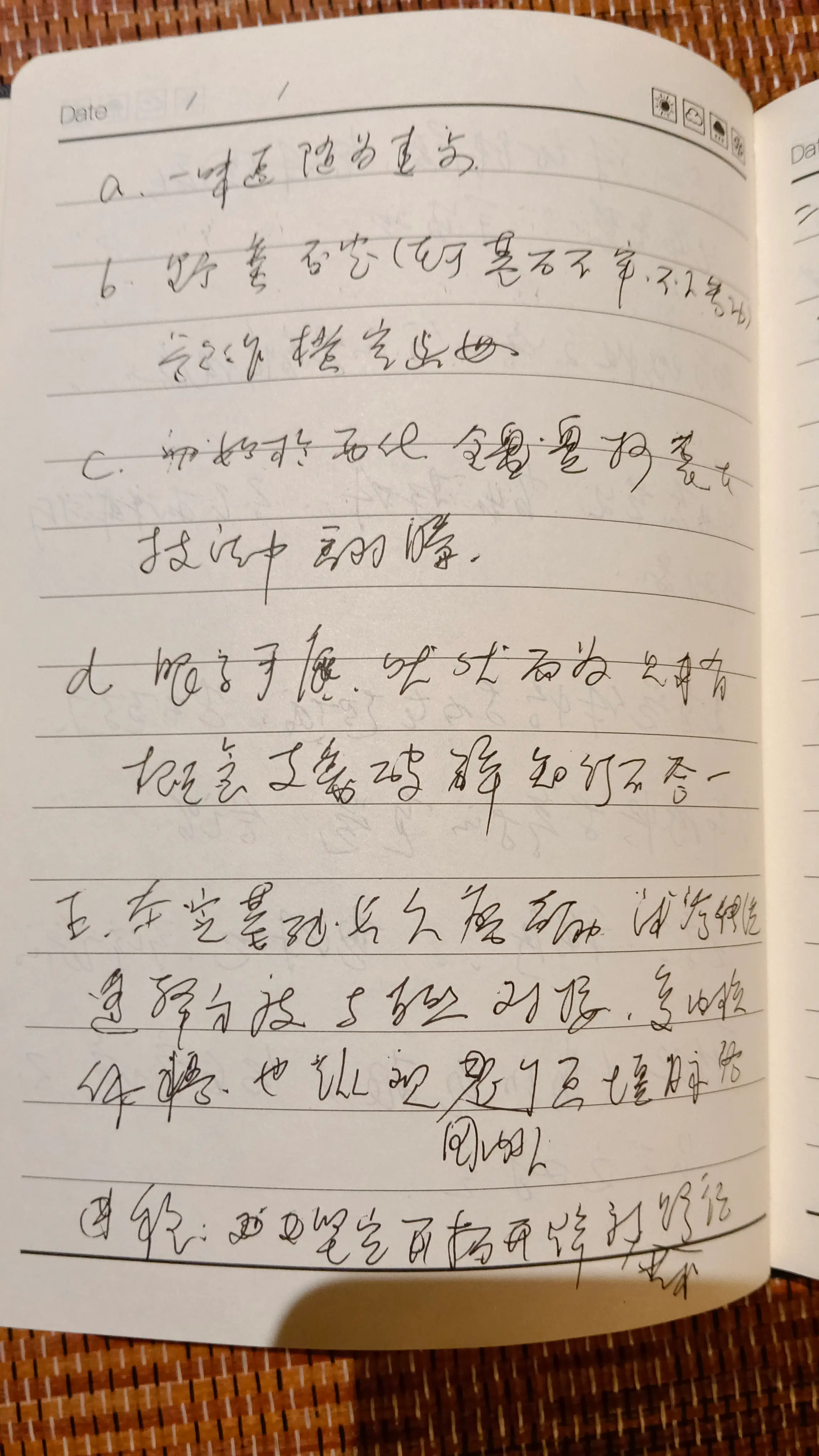
Traditional Chinese painting has long maintained precise principles governing the use of brush, water, ink, and color, while composition, structure, and artistic conception are similarly shaped by established rules. Senxiangist creation is not bound by these conventions. Brushwork, ink tones, layers, density, and openness all serve the spontaneous emergence of the image itself. They remain flexible, variable, and free of fixed formulas.
Every layer of ink and every application of color becomes a natural manifestation of the encounter between emotion and material. The process fully respects the physical properties of raw xuan paper, water, ink, and pigment, allowing the image to develop in accordance with the texture of the materials, the movement of absorption, and the changing relationships between wetness and dryness. It seeks to exhaust the inherent possibilities of the materials themselves.
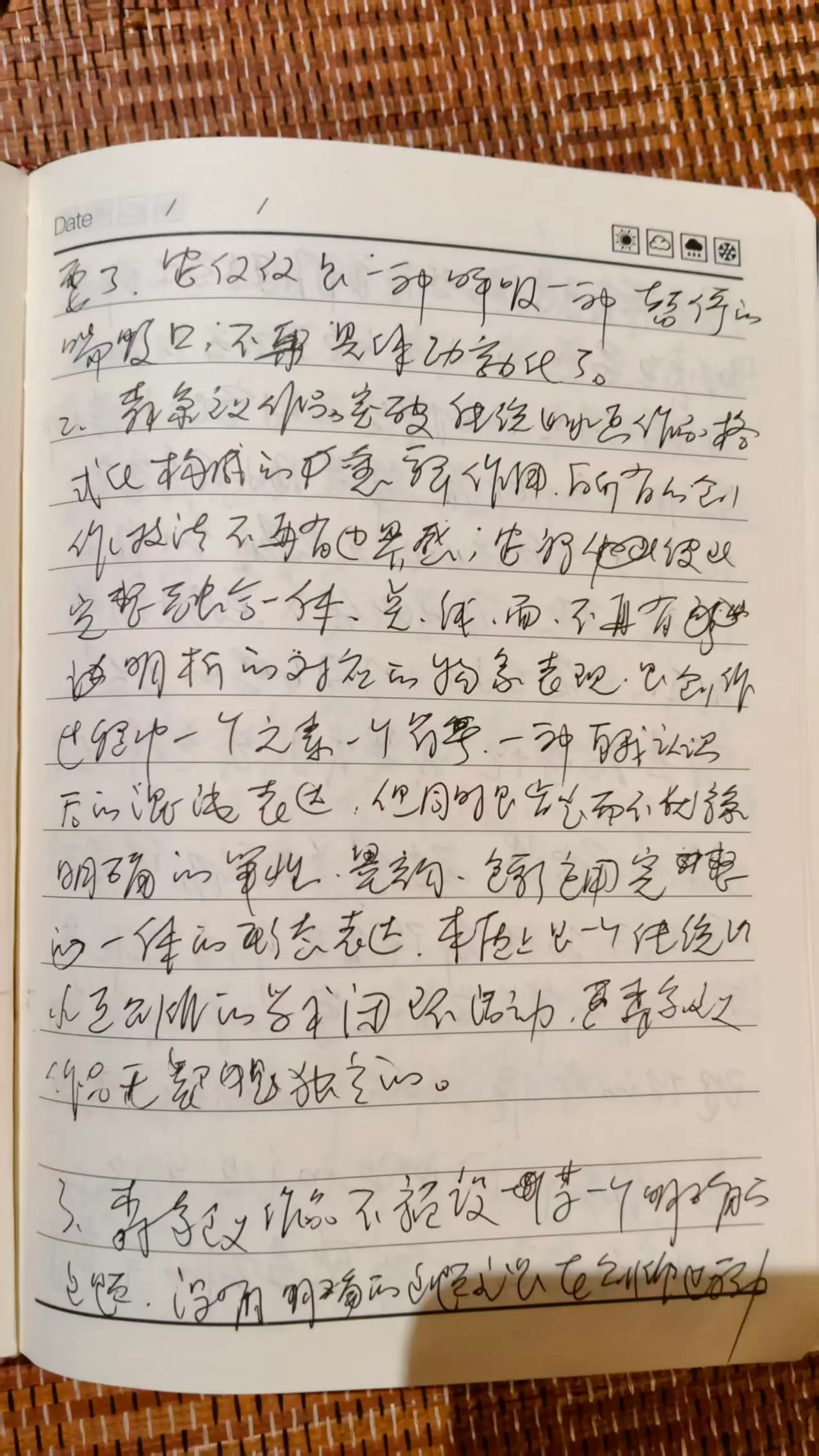
Senxiangism is therefore not a rejection of tradition born from ignorance, but a new form of expression that grows only after tradition has been thoroughly absorbed, understood, and deconstructed. Traditional principles of spatial arrangement, color fields, ink methods, and compositional structure remain implicitly present, yet are no longer restricted by formalized frameworks. The artist no longer insists upon complete objects, realistic forms, or predetermined poetic conceptions.
The image as a whole exists in a state of ordered chaos. Emptiness and substance generate one another; the part and the whole remain mutually dependent and share the same vital rhythm. Each local passage possesses its own independent aesthetic presence while simultaneously dissolving into the larger energetic field of the work.
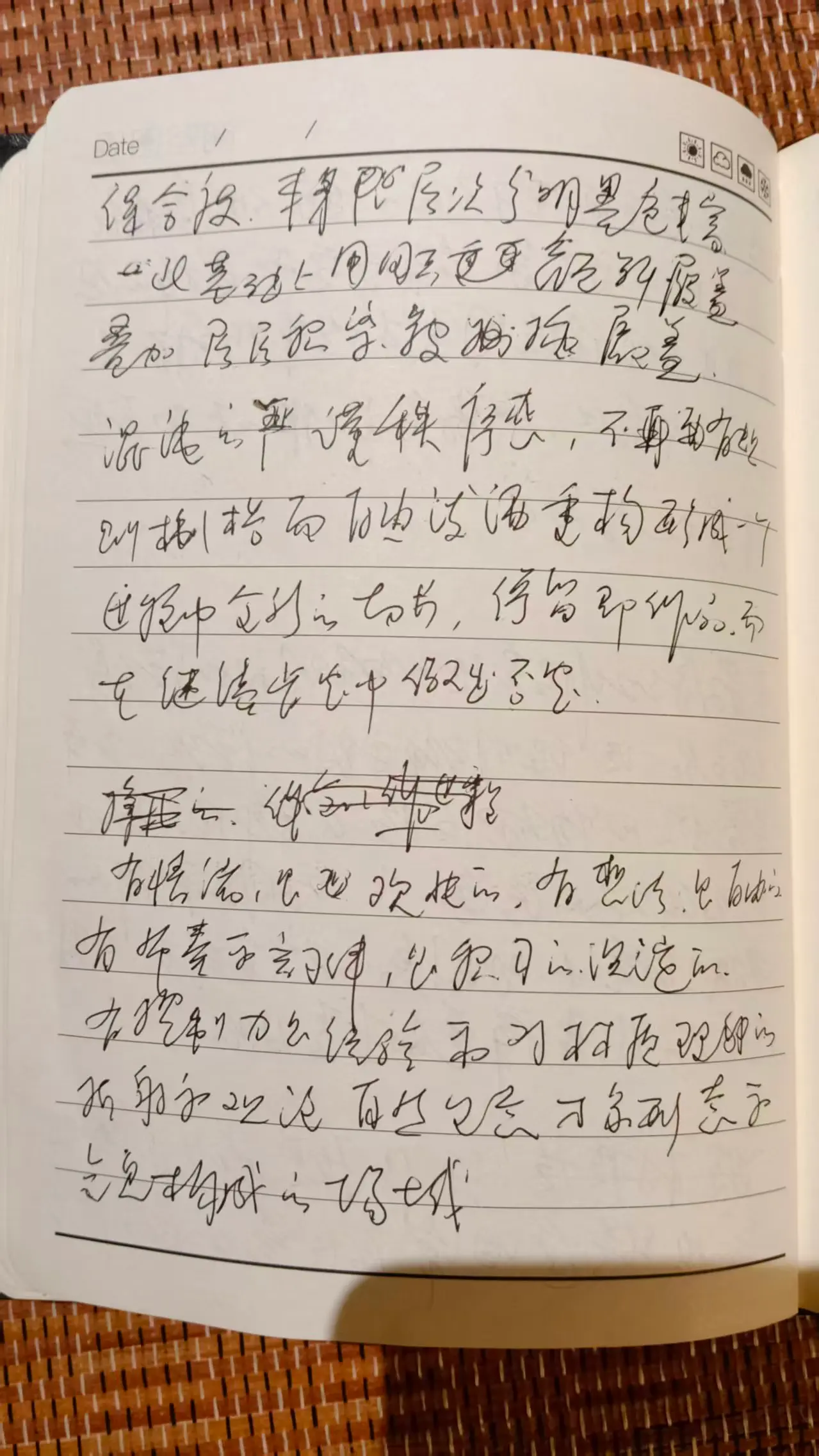
Through overlapping, interweaving, covering, fading, and recombination, the image gradually takes form. Texture, ink, and color continuously dissolve, restrain, balance, and generate one another.
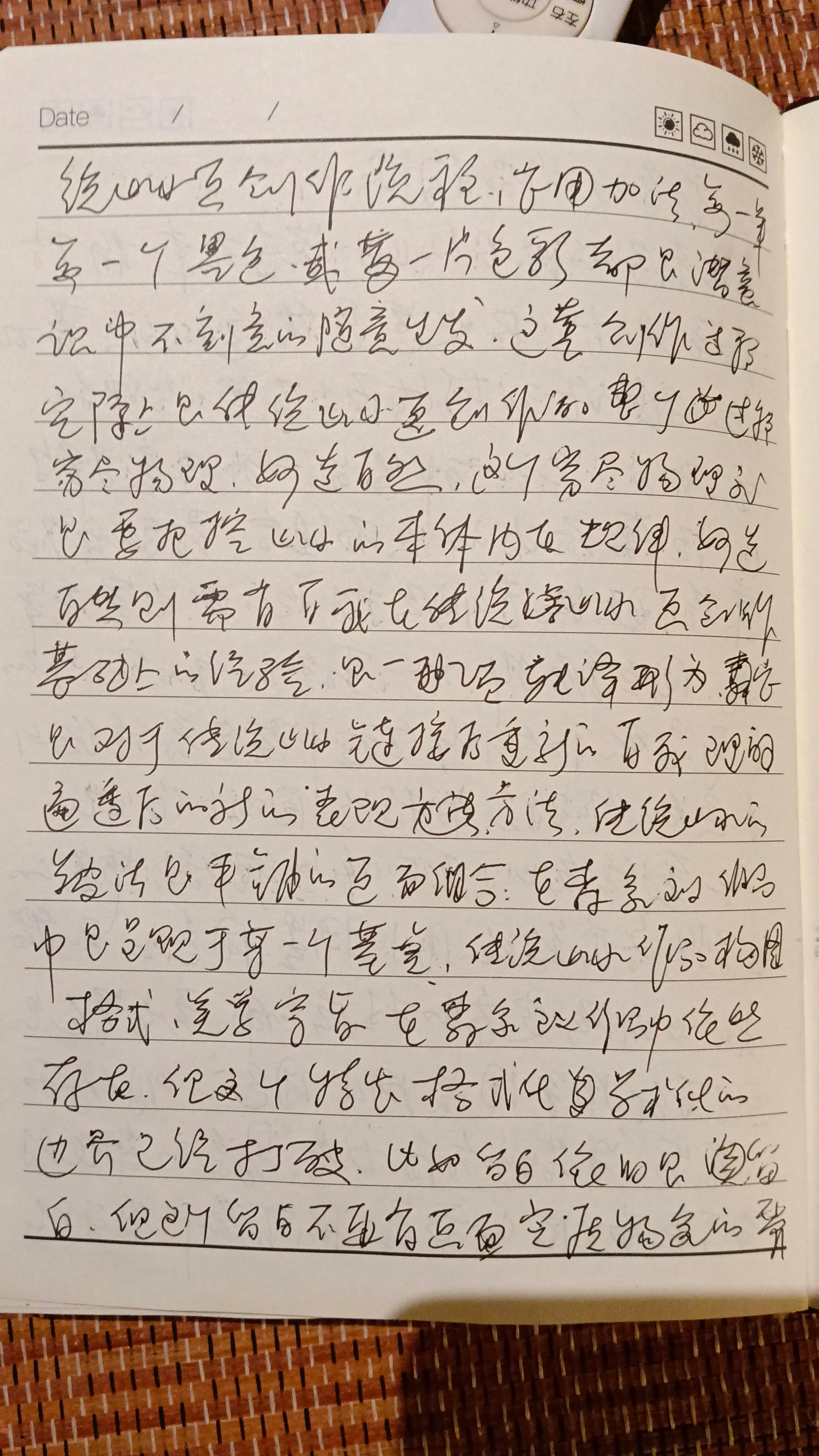
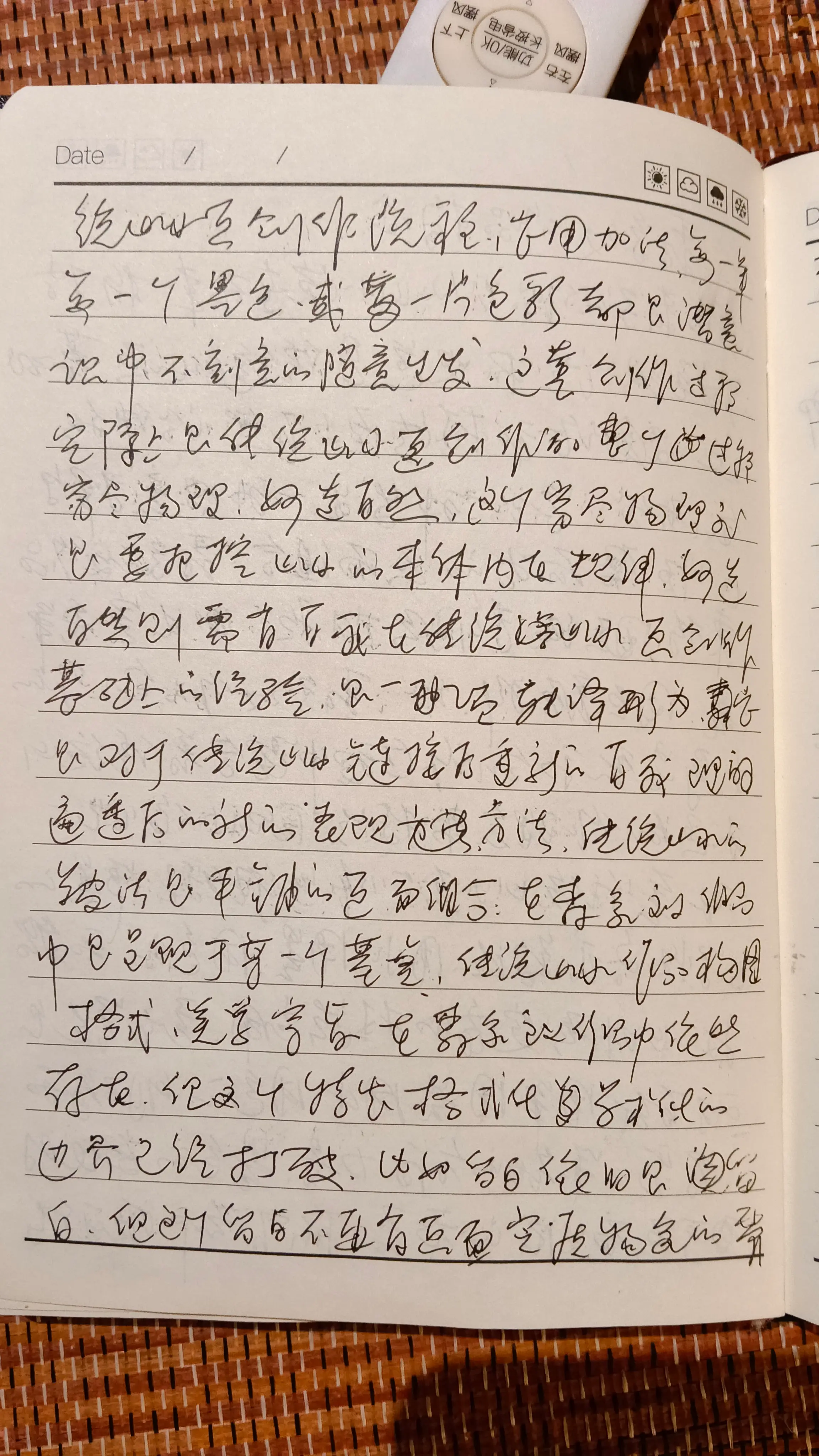
The visual depth of the painting is built through repeated accumulation, layering, covering, and refinement. Between chaos and order, the image is continually broken apart and rebuilt, reconstructed and allowed to flow. At any moment, the creative process may stop, preserving the present condition of the image as complete. Yet it may equally continue through further layering, renewed negation, and repeated transformation.
There is no absolute endpoint.
III. The Creative Mechanism
Traditional Chinese painting can, in some respects, resemble the rearrangement of established formulas. Techniques, compositional principles, and structures have already been summarized by earlier generations, while later practitioners often recombine, adjust, and refine them. In this way, creation can remain trapped within an inherited closed loop, making it difficult to move beyond existing boundaries of perception and expression.
Senxiangism seeks to break this closed cycle.
Through long-term artistic accumulation, sustained experimentation, repeated failure, and continuous reflection, it develops a new path of creation.
The creative state is always in motion. At times, the artist follows the natural direction of emerging textures; at times, hesitation leads to self-negation. At times, the desire for breakthrough becomes trapped again within familiar patterns; at other moments, attachment is released and the work is allowed to unfold freely.
Theoretical intention and the actual image frequently diverge. It is precisely through this repeated negotiation between thought and practice that the work advances.
Throughout the process, the artist continually observes, selects, replaces, discards, and perceives—searching inwardly into the nature of the self while expanding outward toward a broader field of perception. No single technique or rhythm is maintained throughout. Instead, creation follows circumstance and emerges through contingency.
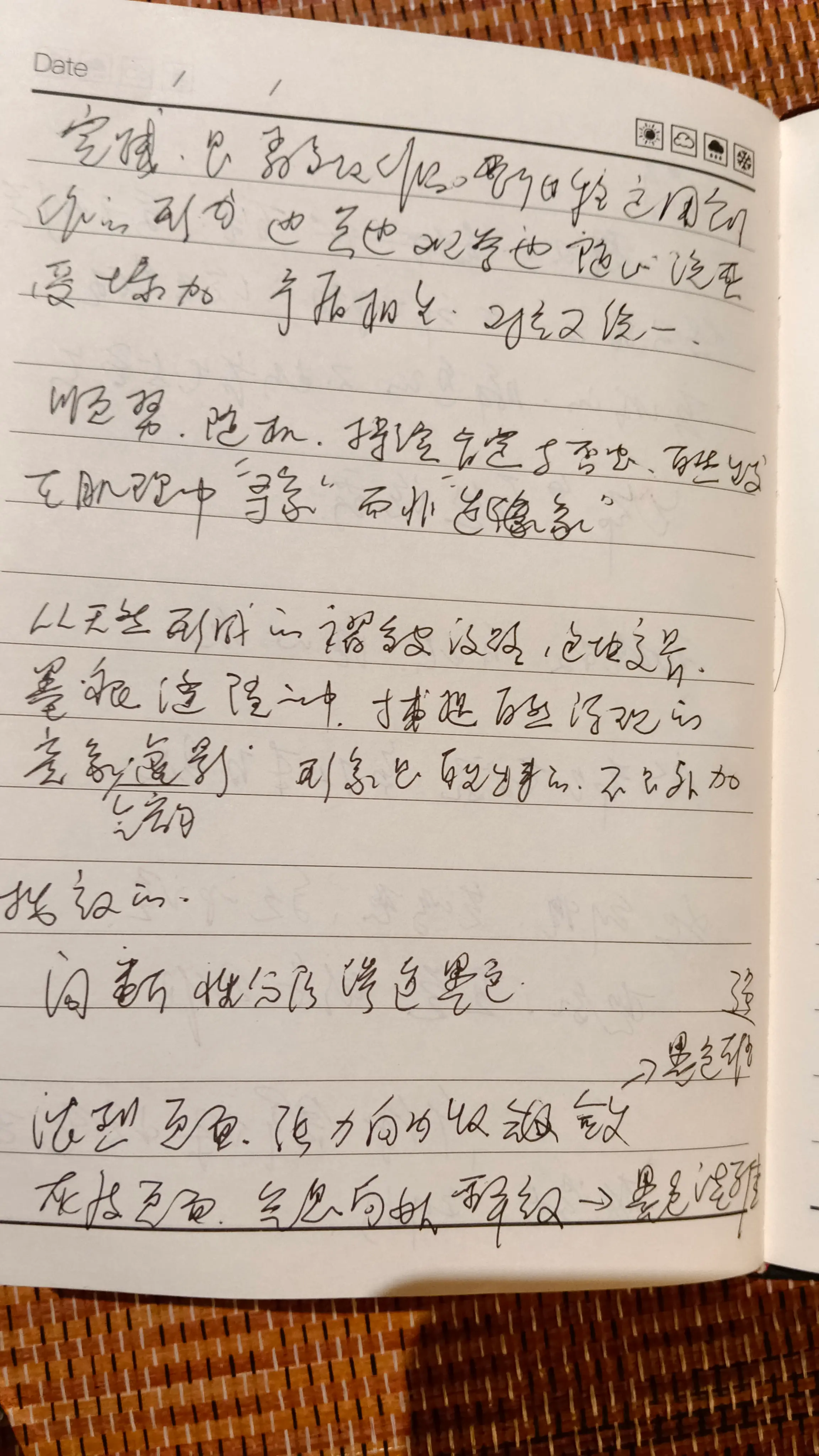
The image develops through an ongoing cycle of affirmation and negation. From natural textures and the pathways of ink, the artist discovers suggestions of forms and meanings that appear and disappear, without deliberately manufacturing images or forcing the painting into a predetermined composition.
Chance and immediacy are therefore fundamental to the process. Every passing emotion, perception, distraction, and mental fluctuation may leave a trace within the texture of the work.
Years of accumulated habits of painting, understanding of materials, and aesthetic intuition allow every brushstroke, every manipulation of the paper, and every layer of color to arise naturally rather than through deliberate design.
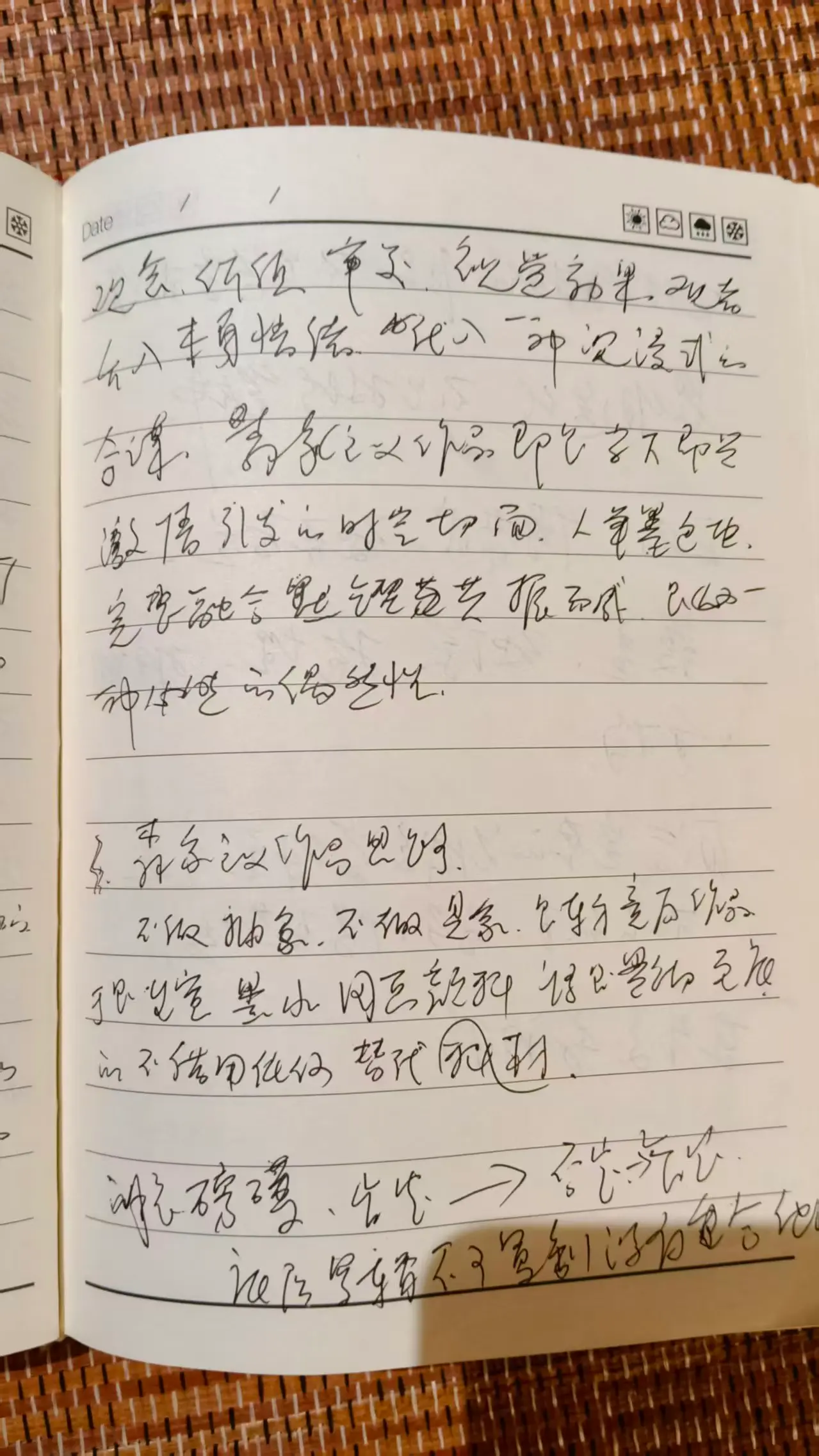
Traditional techniques—including splashed ink, broken ink, washes, and accumulated ink—may all coexist within the same work rather than remaining isolated methods. Emotion, aesthetic judgment, perception, experience, and material understanding merge into a single creative state. Each gesture gives rise to the unique rhythm, atmosphere, presence, and interplay of emptiness and substance belonging to that particular moment.
Personal emotion, aesthetic consciousness, and visual perception become fully embedded within the image, allowing the viewer to enter it through an immersive form of resonance.
Every work becomes a singular crystallization of a particular time, a particular state of mind, and a particular material condition.
IV. Visual Form
The visual form of every Senxiangist work is singular and cannot be reproduced.
Its appearance is not derived from a fixed formula, but grows freely through prolonged exploration and continuous transformation.
Working entirely with the original materials of traditional Chinese painting, the image develops without predetermined forms or fixed compositions. Creation may stop at any moment, allowing the work to crystallize into a complete and self-contained visual field.
Lines and fields of color remain relaxed and organic. They have no deliberately imposed boundaries and avoid rigid or artificial forms. The penetration of ink, accumulation of color, fluctuations between wet and dry, and repeated layers of washes create rich and naturally evolving visual depth.
Warm and cool tones respond to and restrain one another, while emotion reveals itself through color and texture rather than through explicit representation.
Every painting is the crystallization of an instant of perception and an instant of mental flow. Each possesses its own breath, atmosphere, and material presence. Through the gradual accumulation of ink and layered pigments on raw xuan paper, the image develops both visual endurance and profound spatial depth.
Senxiangist works are highly open and inclusive. Viewers of different temperaments, aesthetic sensibilities, and historical moments may discover entirely different experiences within the same painting.
Within the image are fluctuations of emotion, the sedimentation of inner character, the myriad manifestations of nature, and the consciousness of the self.
Color may be intense or restrained; the energetic field may expand or contract. The work moves freely between tension and tranquility, while ink and color balance, sustain, and complete one another.
V. Philosophical Reflection
Art is a lifelong pursuit of perception and a lifelong process of self-expression.
It does not need to depend upon predetermined schools, established theories, or fixed styles. At its foundation, art is the independent understanding of the self made visible through sincere expression.
Senxiangist creation follows one’s inner nature and follows nature itself. It does not deliberately seek uniformity, nor does it consciously accommodate external expectations.
All things exist in different forms and innumerable states. Artistic expression should likewise be plural, spontaneous, and self-generating. It has no need for a single universal standard.
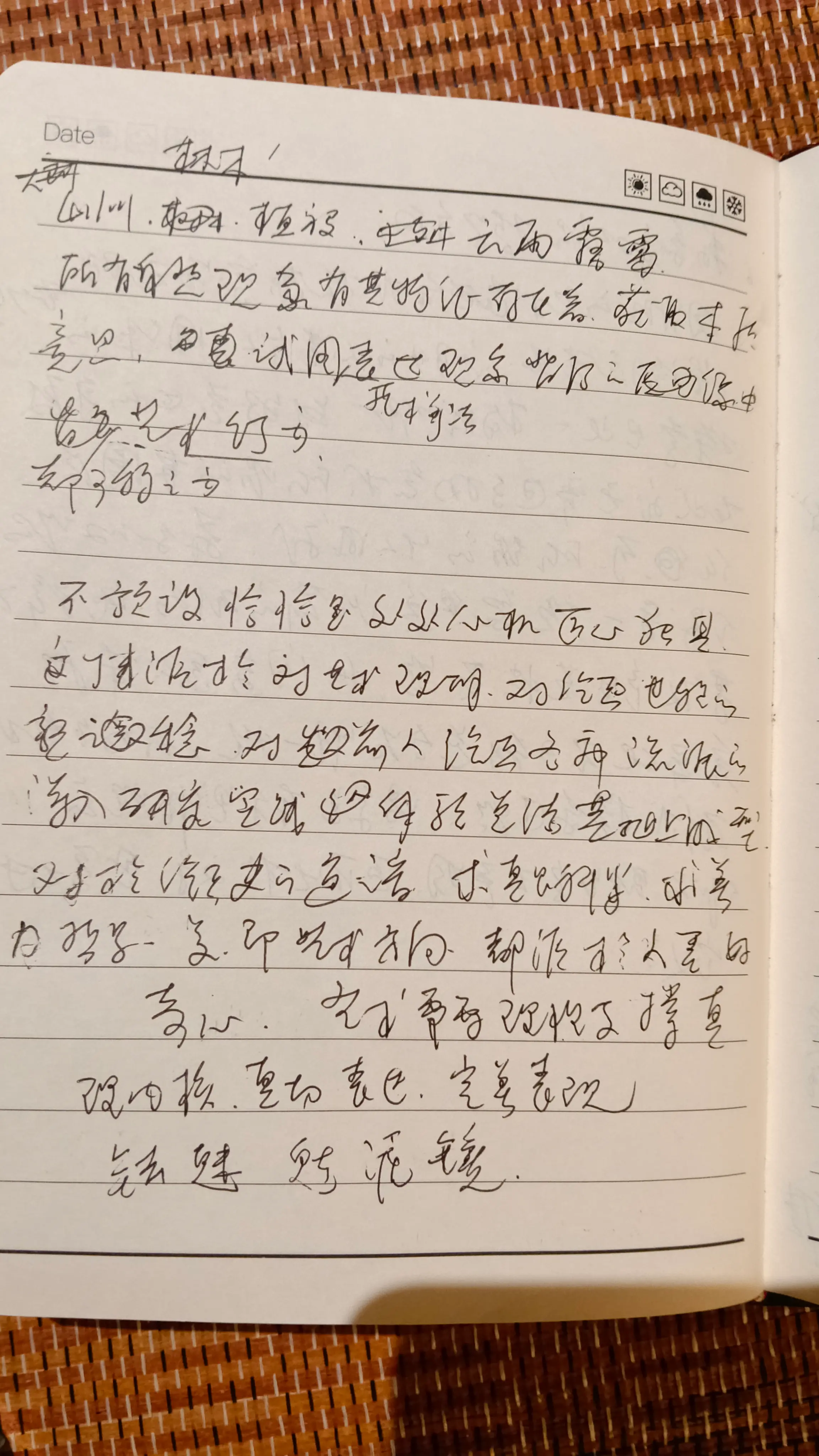
The entire practice is rooted in Eastern thought and an Eastern understanding of the cosmos. The image does not depend upon textual explanation or forced definition. With each gesture, a world comes into being. Through direct visual experience, the work carries the artist’s perception of mountains and rivers, grasses and trees, wind and rain, frost and snow, and the countless manifestations of existence.
It respects the distinctive order and rhythm inherent in all things, reflecting both nature and the self through the perspective of art.
To avoid predetermining the conclusion, and to refuse the pursuit of forced perfection, is itself a way of following nature and remaining faithful to the inner self.
The artist accepts hesitation, accepts the evolution of understanding, and accepts fluctuations in technique. Through repeatedly returning to tradition, distilling experience, and breaking beyond the boundaries of the self, the inner substance of the work deepens.
All aesthetic exploration and artistic seeking eventually return inward.
Art requires theoretical support, but it also requires the accumulation and refinement of the inner spirit. In a state of acceptance, release, freedom, and spontaneous generation, life and art are allowed to reveal themselves naturally.
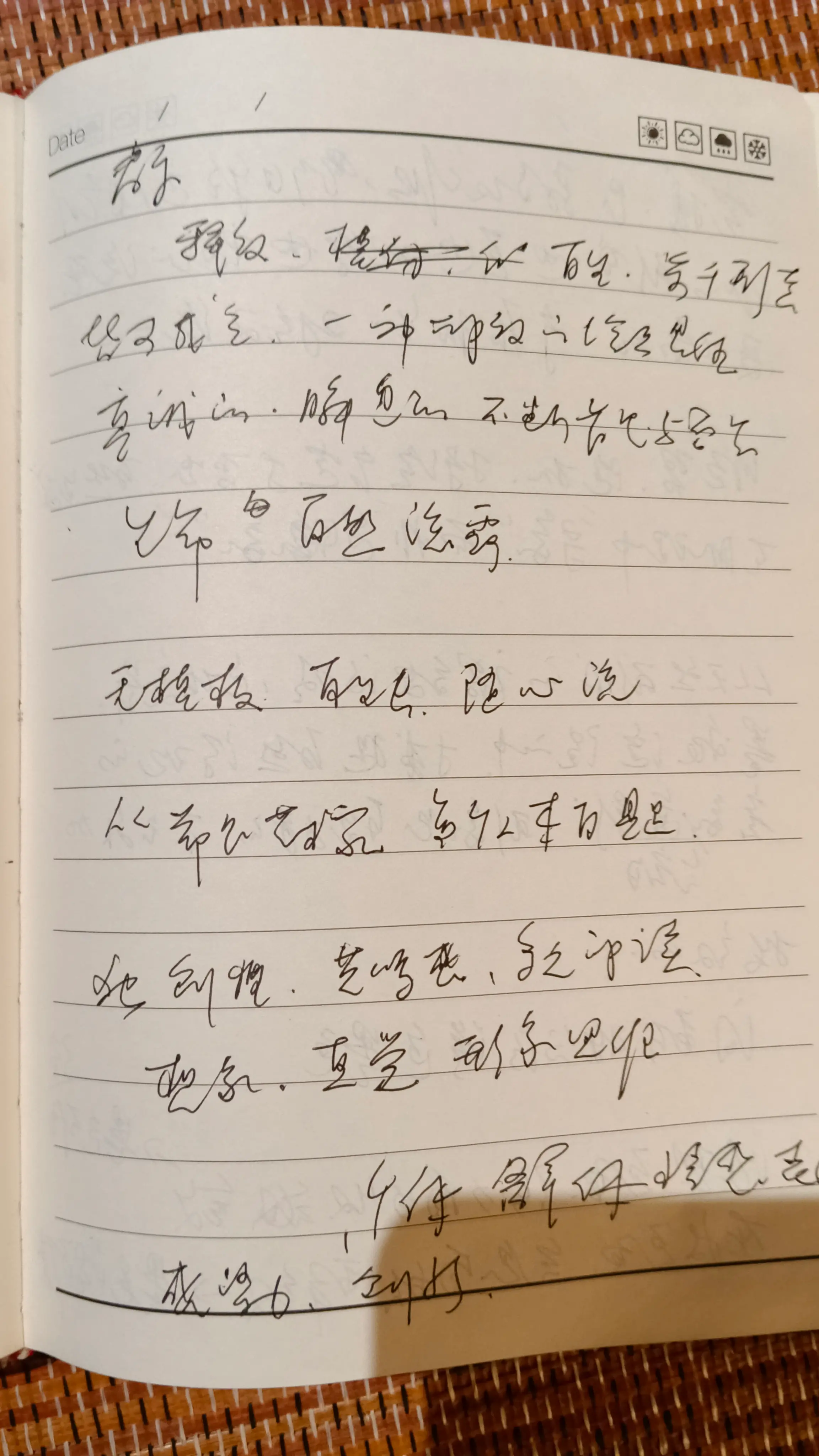
There is no template.
There is no formula.
The work grows according to the heart.
VI. What Senxiangism Reveals
Everyone has the possibility of becoming an artist. Artistic expression has never had a single standard or fixed form.
Senxiangism breaks apart the absolute opposition between figuration and abstraction and moves beyond the rigid formulas of traditional painting.
Grounded in the original materials of Chinese painting and sustained by years of technical cultivation, it replaces formulaic production with sincere perception, and deliberate design with spontaneous emergence.
True artistic creation means breaking free from closed cycles of inherited understanding and continuing to grow through the tension between self-affirmation and self-negation.
The central insight of Senxiangism is this:
Art is not the reproduction of a model.
It is not the deliberate construction of scenery.
Nor is it a narrative instrument designed to satisfy a particular circle or audience.
It is an Eastern field created through the resonance of material, inner nature, and the natural world.
The creative process itself becomes a form of cultivation—a process of self-awareness, self-completion, and finding one’s place within existence.
The true value of art does not lie in external recognition or worldly judgment. It lies in the sincere, complete, and uncorrupted manifestation of the inner self.
To set aside worldly competition and superficial vanity, to remain faithful to one’s own path of creation, and to continue exploring and generating without end—
this may ultimately be art’s most enduring destination.
Full Manuscript Attached